At present, there are too many pet food products on the market, and even experienced pet owners can't distinguish them clearly.
Dry food, wet food, semi wet food, canned food, fresh food, homemade pet food... Various names are dazzling.
Most pet owners tend to understand these various forms and names of pet food only from the literal meaning. Below, we will explore the differences between different types of pet food at a deeper level to answer everyone's questions.
Concept and Form Differences:
solid food:
Also known as puffed grain+, granular. Low moisture content and relatively dry surface. The price is relatively cheap, packaged in bags, and the shelf life ranges from a few months to several years. Pet dry food is equivalent to convenient food for humans. (The moisture content is generally 10%~12%)
Wet grain:
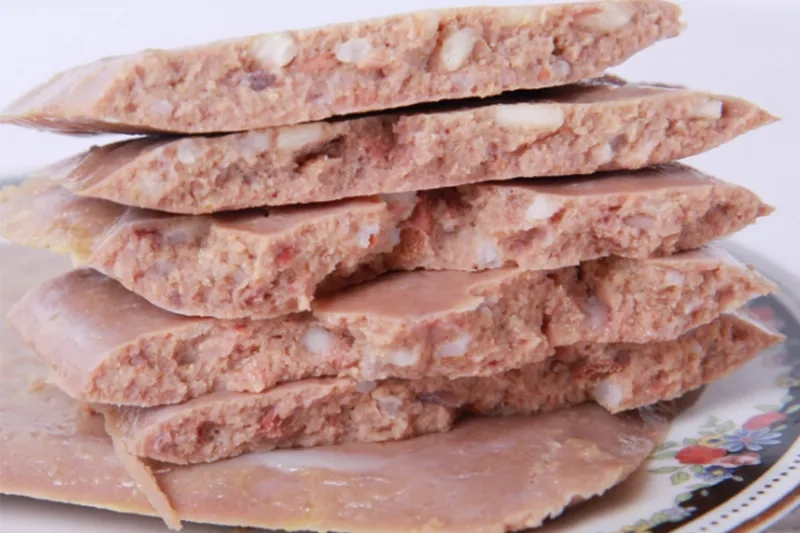
Wet or semi wet grains are usually canned, such as Miaoxianbao+. Canned food is also a type of wet food. The moisture content is higher than that of dry grains. Wet and semi wet grains may look fresh, but they have also undergone deep processing, making them more like luncheon meat consumed by humans. Canned food contains obvious soup, and canned food is usually not used as pet food, but only as a snack, reward, or snack. Unopened can remain intact for several months or even more than ten months. (The moisture content is generally 32%~75%)
Homemade pet food:
The owner made their own pet food for the sake of "nutrition and health". So homemade pet food is fresh and can maintain the flavor of the ingredients. But there are often drawbacks: most people do not have a foundation in nutrition and are unclear about how much energy cats and dogs need and how nutrients are metabolized and absorbed. Instead, they subjectively and blindly measure the needs of cats and dogs based on human food requirements. A nutritionally balanced and authoritative homemade pet food requires not only the owner's time and energy, but also their professional knowledge.
Fresh grain:
Pet fresh food is made from fresh ingredients produced on the same day, visible to the naked eye, without excessive processing, with balanced nutrition that is easier to absorb, and ready to eat when opened.
Compared with homemade pet food, fresh food has a more scientific theoretical basis, and its energy and nutritional elements meet the growth needs of cats and dogs. (Moisture content<65%)
Alright, that's all for the introduction. The pet owners now have a general understanding of pet staple food:
The differences between dry grain, wet grain (including semi wet grain and canned food), and fresh grain in terms of appearance and literal meaning will continue to be explored for you.
Composition difference:
solid food:
Made from meat powder or meat by-products, starch, grains, etc., with high carbon and water content. The composition of dry grains is relatively complex, and most of them cannot be directly identified as raw materials. In addition, dry grains contain grains and other additives. Especially for cats as carnivores, their protein content is insufficient. Add attractants and preservatives to dry food. It is particularly emphasized that grains may cause sensitization in pets.
After eating puffed food, pets need to drink a lot of water, which may increase the burden on their kidneys.
Meat by-products: "Meat" that has not been boiled or processed, does not contain muscle, hair, horns, teeth, or hooves. For example:
Lungs, spleen, kidneys, stomach, intestines, brain, blood, bones, fat, etc.
Meat powder: Processed mammalian body tissue that has been boiled and processed, without hair, horns, feces, stomach, scraps, etc.
Wet grain:
Composed of meat and viscera from poultry and livestock, starch, fruits and vegetables, as well as grains. High fat content may affect digestion.
Fresh grain:
Fresh food does not contain preservatives or fillers, but uses high-quality poultry and livestock fresh meat, fresh vegetables, fish oil, and various beneficial nutrients for the growth of cats and dogs, such as vitamin A/C, zinc, B vitamins, fatty acids, etc., but does not add additional plant fiber.
High quality materials and production processes for human edible grade, with higher requirements and stricter standards.